
PTFE-Coated O-Rings for Rotary Union Seals
A surface-treatment option for the O-rings used with composite slipper seals, selected for specific process-media requirements.
Begapunk offers PTFE-coated O-rings as an optional configuration for suitable rotary union applications. The coating adds a protective surface layer to the elastomer. It is selected for the application, not supplied as standard on every model.
Discuss Your Process Medium See the coating process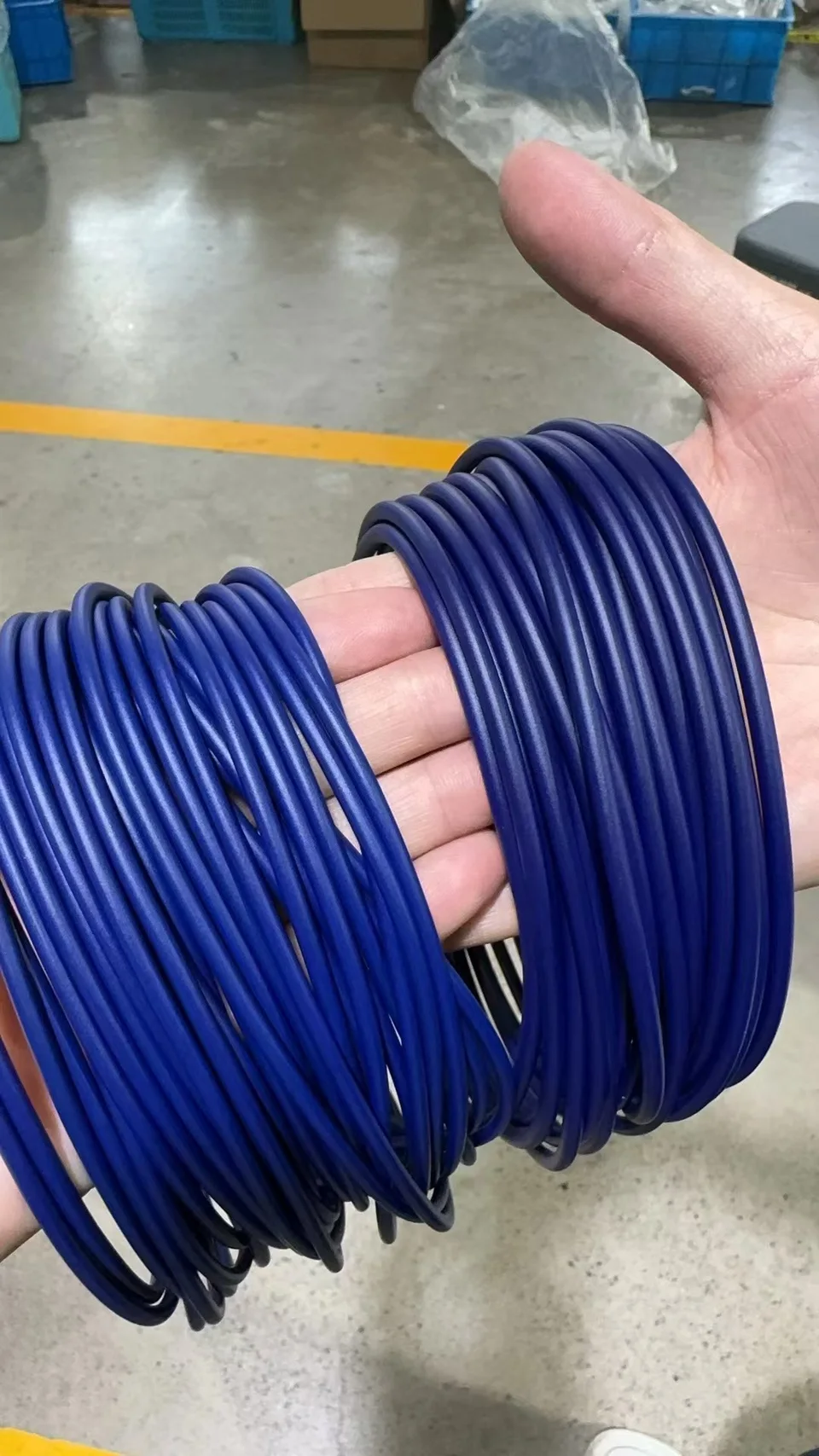
Why add a PTFE coating?
In a composite slipper-seal assembly, the O-ring provides preload and elastic support. Selecting the seal therefore means considering both the slipper ring and the compatibility of its supporting O-ring with the working medium.
PTFE, or polytetrafluoroethylene, is resistant to a wide range of chemicals. A PTFE coating is one surface-treatment option to consider when reviewing an O-ring configuration for a particular process medium.
Before coating. During drying. After coating.
These photographs show the O-rings in their uncoated state, during drying after coating, and after the coating process.
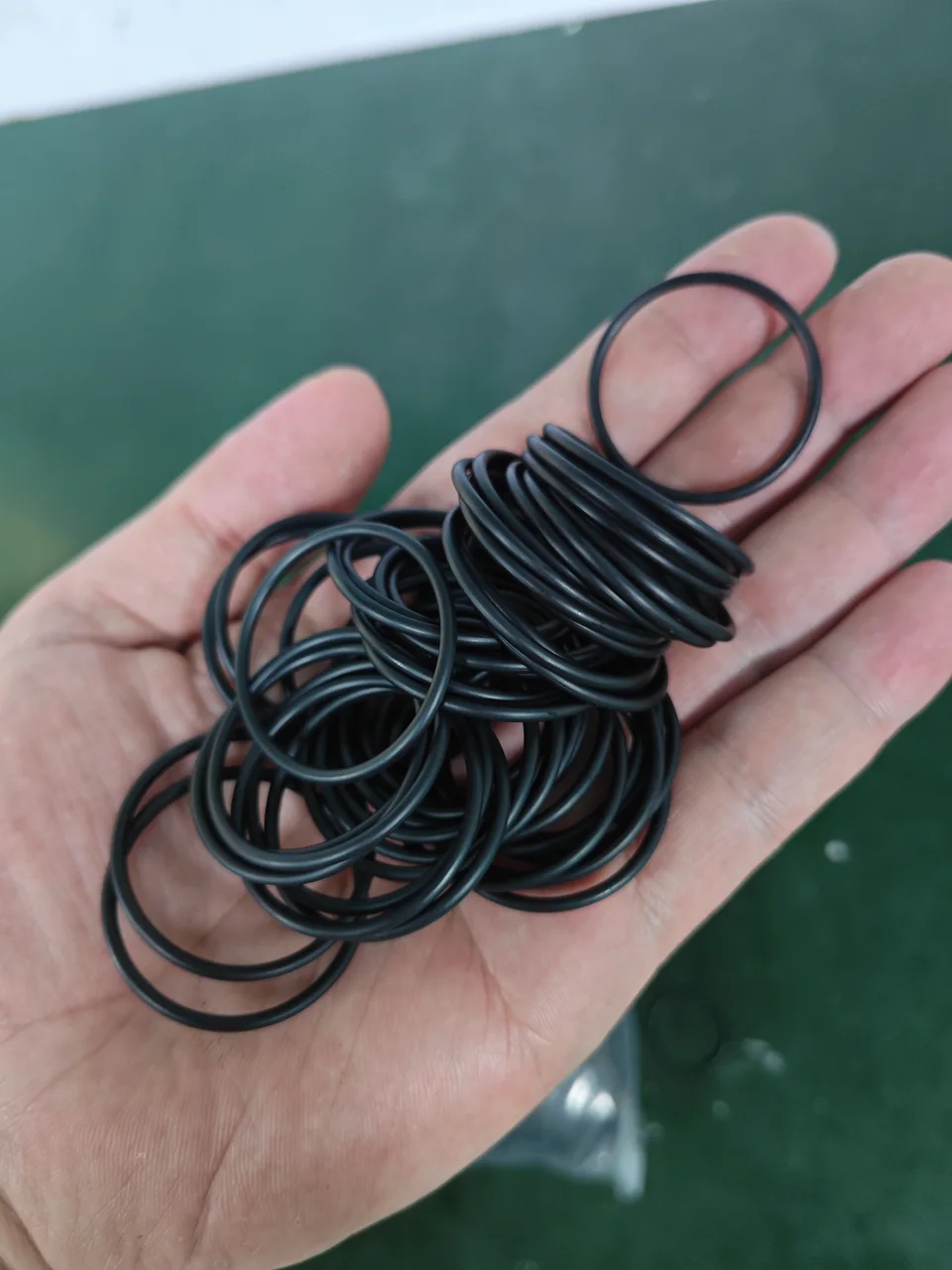
Uncoated O-rings
The O-rings before the PTFE surface treatment.
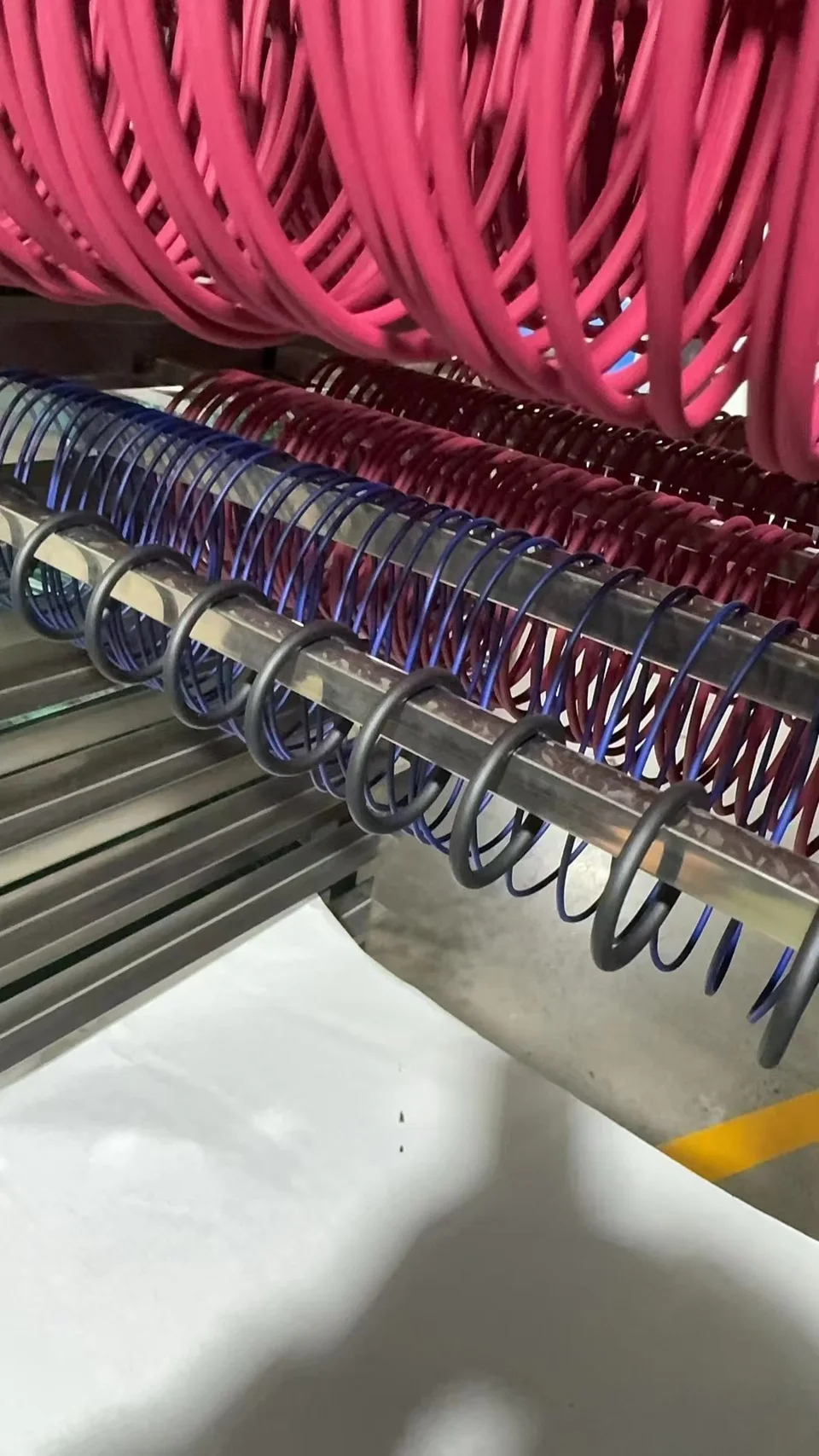
Drying after coating
Coated O-rings on racks during the drying stage.
PTFE-coated O-rings
Finished O-rings with a blue PTFE surface coating.
A closer look at coating thickness
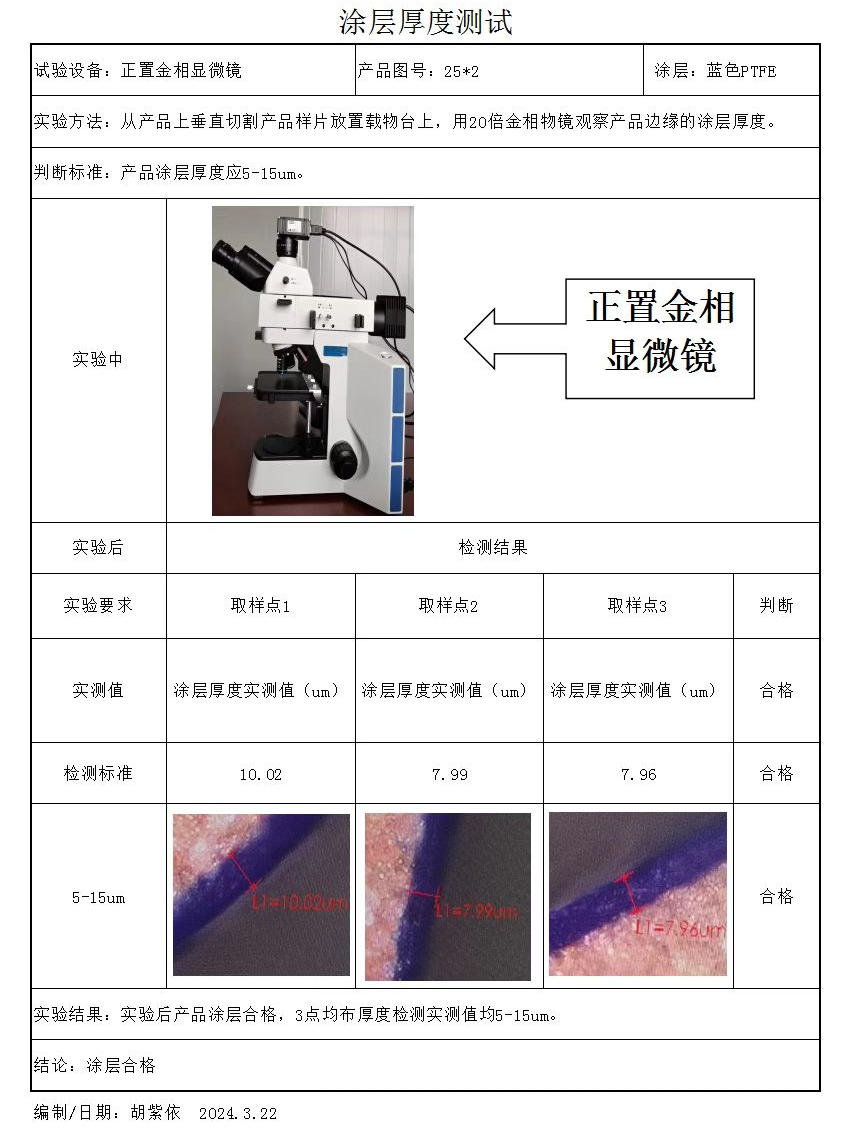
The supplier's inspection report records a blue PTFE-coated sample marked 25 × 2. Local coating thickness was measured by examining a cut section under a metallurgical microscope.
The specified thickness range for this sample was 5–15 µm. All three measurement points were within that range.
| Measurement point | Thickness |
|---|---|
| Point 1 | 10.02 µm |
| Point 2 | 7.99 µm |
| Point 3 | 7.96 µm |
Which medium will your rotary union handle?
Share the medium and its concentration, operating temperature, pressure, and running conditions. Begapunk can review the O-ring material, coating option, and seal arrangement for your application.